


We’re coming to an interesting precipice of humanity. The incline (or decline) of scientific studies has led to the conjoining of thought. Religious, philosophical, and scientific studies have brought forth this idea of how we perceive and what it affects. For decades, physicists have researched the connection of observation with reality. This idea, though recently in the mind of scientists, has existed for millennia within religious and philosophical thought.
To better understand perception we must define the term. First let’s look at the dictionary’s definition.
Perception: awareness through physical sensation : reaction to sensory stimulus / the state of being aware (Merriam Webster)
To better understand this definition. I’d like to define what the dictionary means by “physical sensation” and “sensory stimulus”
Physical sensation: a mental process (such as seeing, hearing, or smelling) resulting from the immediate external stimulation of a sense organ often as distinguished from a conscious awareness of the sensory process (Merriam Webster)
Sensory stimulus – something that rouses or incites to activity (Merriam Webster)
Here we can understand how perception is thought of in our modern day. “Perception” has to do with physical stimuli felt by our senses and, getting to the root of perception here – is the state of being aware.
How does this definition work with the ancient philosophers in Greece?
Let’s trace back some key figures that discussed the topic of perception and how they disagreed with each other. I’d like to start from the idea that closely resembles our modern day and go back from there. This will give us an observable line of how we got to the modern definition previously stated.
Epicurus
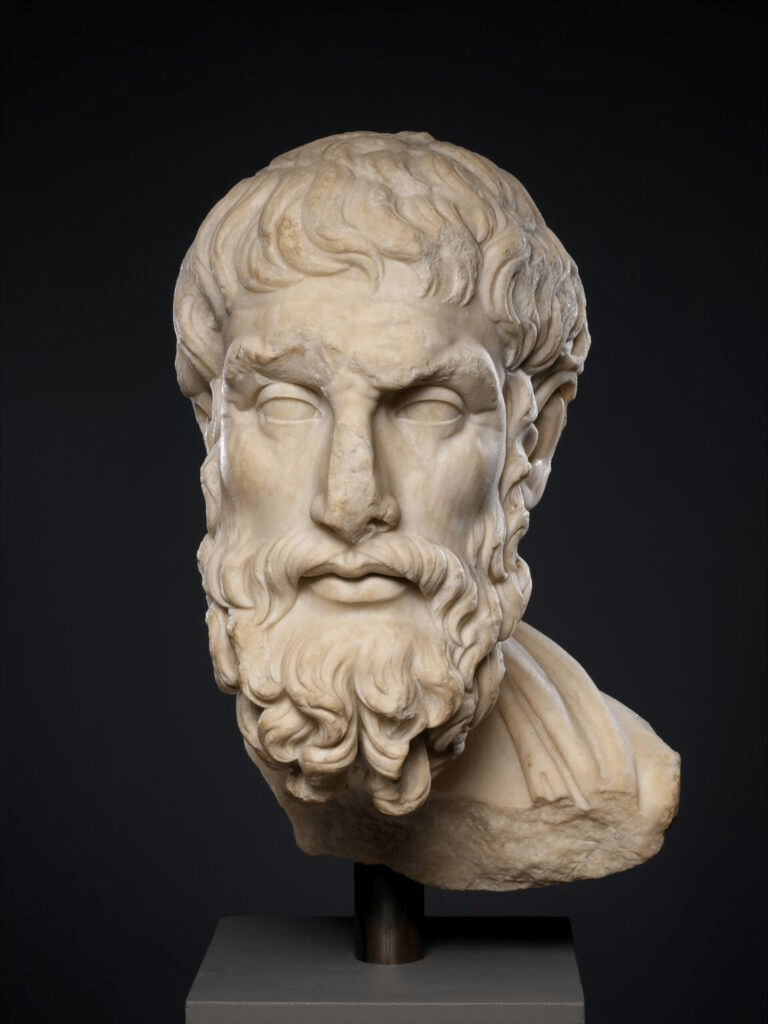
Epicurus was a Greek philosopher active during the Hellenistic period. His ideas centered around the enjoyment of life and how pleasure is the greatest good in life.
On perception, Epicurus disagreed with Plato’s idea, one that we will discuss soon, completely. Epicurus was a big proponent of the reliance on perception. In his view, perception was infallible and the issues arise only from an individual’s interpretation of what they are perceiving. This is a common idea in modern science – data is seen or felt and scientists argue what that data could mean.
Personally, my issue with this idea stems from the idea of perception being perfect. One’s perception can be flawed without the individual knowing. For instance, an individual hearing voices that he believes are the secrets of the universe is no different than Isaac Newton seeing an apple fall and discovering gravity. Both are perceiving something through their senses. However, in our modern idea, we would view these individuals as being on opposite sides of reality.
Aristotle
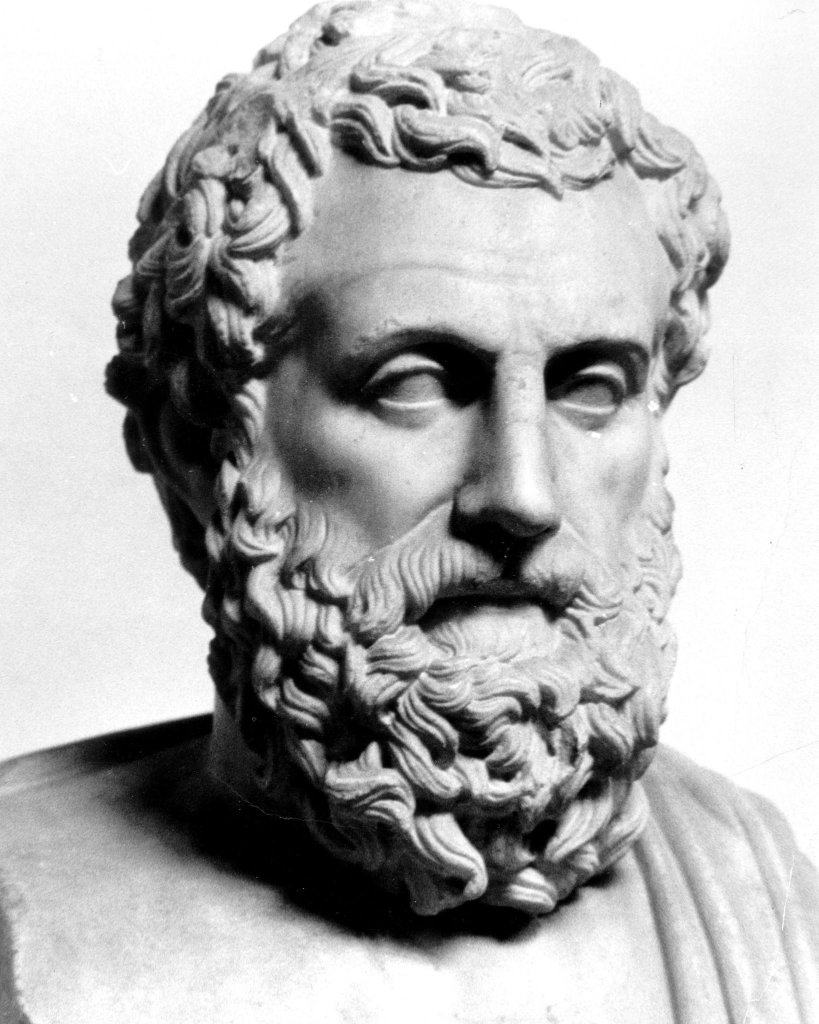
Aristotle was a Greek philosopher in the classical period. His idea of perception treated it as a medium through which an individual takes in the various aspects of something else.
Instead of perception being infallible, Aristotle posited that perception was uses multiple sensory inputs (touch, smell, sight, sound) and combines them to understand the whole. For example, you perceive something is an apple when you see the shape of the fruit with the stem and taste the fruit. Using taste and sight, you are able to combine those to understand the object being viewed is an apple.
Aristotle viewed perception as a specifically animal necessity. Animals use perception to understand their surroundings and act accordingly. Danger, mates, food, and so many other things involve perception. Set apart from animals, humans reason from our various perceptions. To put it plainly, Aristotle views perception as true as long as the conditions are in its favor. For instance, your sight might perceive something incorrectly due to the lack of light.
Plato
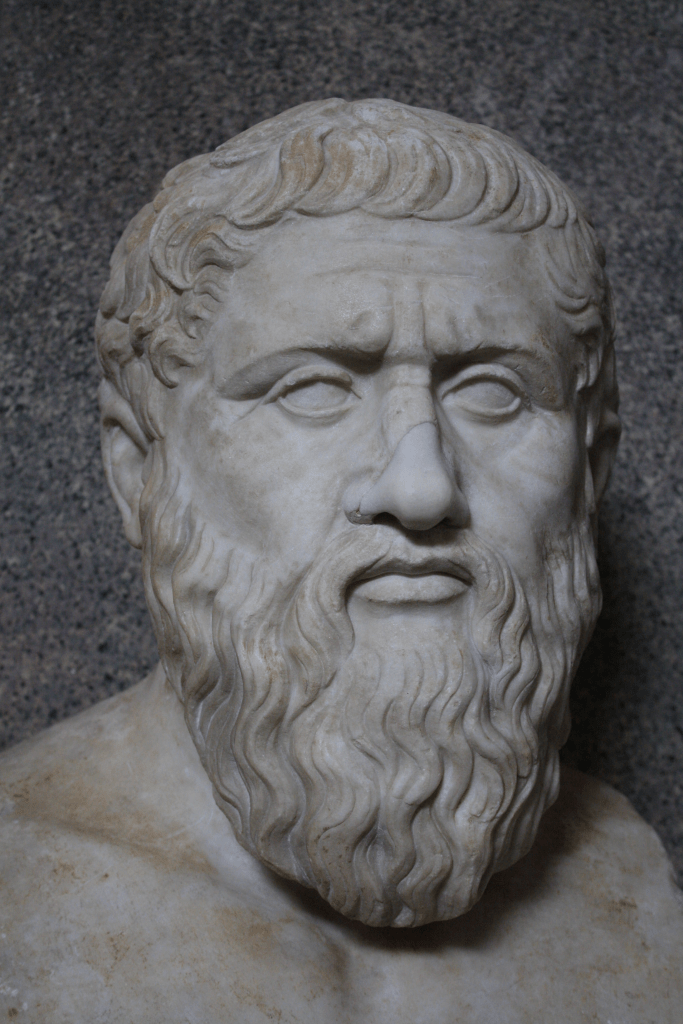
Plato was an ancient Greek philosopher in Athens. His idea of perception was fueled by his well-know idea of Forms. Plato’s Forms was based on the idea of our reality being a reflection of a more “perfect” realm outside of it. Outside of our perception, these perfect forms act as the foundation of objects, concepts, and feelings that have become imperfect in our reality. For instance, a tree in our perception is an imitation of what “treeness” actually is.
With this in mind, we can already understand how Plato viewed perception. His “Allegory of a Cave” truly gives clarity on how he views perception. If prisoners are in a cave and see shadows that are being displayed, they may view those shadows as real objects. With time, they may not understand the shadows are reflections of the outside world. When the prisoners leave the cave and see the true forms from which the shadows were being emitted, only then do they understand how faulty their perception was.
Similarly, Plato posits that our perception is based off of this reflection. Plato argued that perception does not equal reality, as this would make all contradictions true. He views perception as simply scratching the surface of the truth. Still, perception is viewed as necessary for understanding, but not understanding itself.
Democritus
Democritus was an extremely influential ancient Greek pre-Socratic philosopher. He is best known as the developer of the atomic theory of the universe.
Democritus used atoms in his idea of perception. He viewed atoms as a part of everything, thus perception involved the physical transfer of atoms connected to one thing to another thing. For instance, a human viewing a tree would perceive said tree due to small atomic bits (eidola) being moved through the eye that physically reach the viewer.
With this idea, Democritus also believed that this physical exchange could be flawed. This flaw needs human reason to understand what is true or false about the exchange.
Closing Thoughts
The modern idea of perception seems to give credence to the expression “Speak your truth”. In the present day, it seems the main idea of perception follows Epicurus in his belief of the infallibility of perception. Though, as we learned in this writing, not all perception can be correct due to contradictory statements individuals can make based off of their observations.
Tracing though on perception back to Plato gives a more grounded understanding of this idea. Perception is based on the individual and their observation of imperfect material in our reality. This clearly posits that perception is flawed due to our reality being flawed.
Democritus seems to posit a scientific understanding of how one perceives and not necessarily what perception is. Though, I feel Democritus combines these two thoughts well in that he believed in both the physical and non-physical. Democritus believed perception is profoundly physical while also understanding the non-physical clarity given with human understanding. This clearly indicates the vitality of perception for human reasoning. Perception fuels reason, further reason fuels awareness.
Personally, I subscribe more to Democritus’s and Plato’s idea on perception. What about you?


Leave a Reply